


Combat rifle scopes and a backup plan
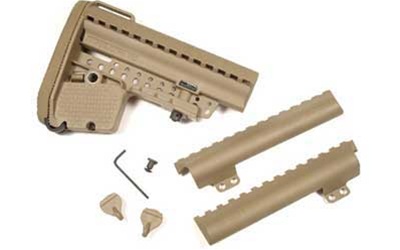 When you mount your rifle scope, please do some research on how to properly level and mount it. A properly mounted combat optic should not be over torqued and should have loctite on the screws. I have yet to see a mount come loose on a gun that used loctite. When you go out an spend $1000 on a combat rifle scope, ask yourself, what will you do and how will you remove the scope and aim it if the optic goes down. If one your Trijicon rifle scopes takes a bullet, are you going to be able to see through it and still be able to lay down effective fire if you can’t see through it? Even if you have a rifle scope that does not allow for co-witness, would it be a good idea to still attach flip up sights to the gun if there is room for them? Always have a backup plan for your defensive carbine.
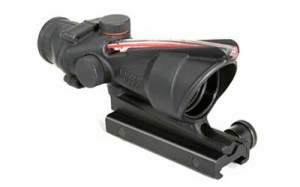
The vast majority of M4 Carbines I see at the range have optics that are top of the line. Aimpoint and Eotech along with the Trijicon ACOG are probable the top 3. All of these are good for a certain purpose which is mostly for close up fighting. The Trijicon ACOG is more of a medium range combat optic depending on the type of reticle you choose. They do have a line of red dot or even green dot optic options, also. If you are are a weekend warrior and new to defensive shooting and tactical gear, I would suggest you think about this next statement, whenever you attach an accessory to your Carbine, think about what you would do if that accessory mount broke or the actual item failed.
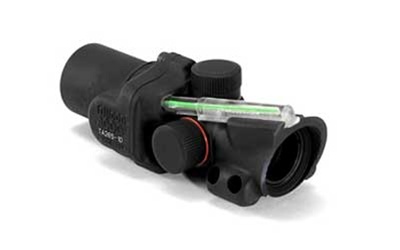
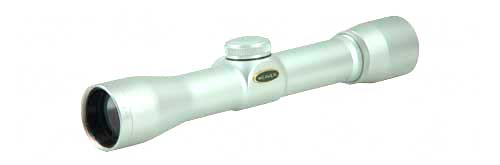
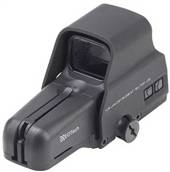
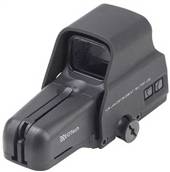 The Trijicon NSN has iron sights mounted on the top of the rifle scope which can come in handy in closer situations and are a less expensive alternative to mounted a red dot on your ACOG. That is worth the money if you are in the line of work that calls for it, but for general blasting and plinky, I think that $1800 optics is a bit much. The Eotech 512 is probable my recommended optic for an M4. I think people can get carried away with optics on the M4 because even though the rifle is pretty accurate, it really is not very powerful or effective past 200yds. With a growing selection of combat optics you can put on the AR15 type rifles, one other suggestion I have for shooters is to always keep your iron sights on the rifle. I’ve seen a few people show up at classes with just an Eotech mounted and they complained the front sight blocked their FOV. Well, taking a 200yd shot with an Eotech that has a dead battery is like parking a mini van from the furthest back seat.
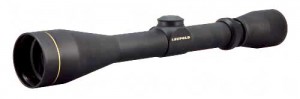
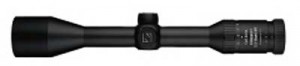 I remember the days when I would stare at rifle scopes and ask shooters how much they cost, and when they told me how the rifle scopes cost, I’d calculate that whichever rifle I was thinking about putting the scope on, the cost of the rifle was less than the cost of the optic. I have no idea how much money companies are making off of some optics, but there is a certain point that I really don’t care how good people think they are, 90% of people spending that kind of money on optics probable could get the job done with something that cost 50%-75% less. In all of my years of target shooting and plinking, I have only had scope mount issues and 2 rifle scopes that ever broke. Every rifle scope that broke cost less than $100. I have a few Leupolds that have been on bolt actions and semi-autos and they all hold zero and have excellent clarity.
 One of my more accurate and flat shooting rounds I use is the military 62gr SCBT round, but I absolutely advise against ever using this for hunting. My favorite hunting round is a 60gr HP from Sierra that has allowed me to put 3 shot groups in 3 inches out to 300yds. I’m sure there are some readers saying BS on that one, but its true and I have pictures to prove it. The Mini 14s best advantage is that it is much lighter weight that most AR15 style weapons and that it feels more like a traditional rifle. The stainless steel Mini 14 also holds up very well in damp environments and I’ve seen better resistance against moisture than the standard blued Mini 14.
 It seems that the M4 AR15 variant is hands down the most popular carbine in existance in the United States. There are plenty of AK and European military style rifles out there, but the accessorized M4 is king. When I first stepped into the high speed tactical carbine school, I was going there from previously owning only Kalashnikov variant rifles. The biggest promotion I heard from all of those owning an AR15 was how accurate they were. It is true that the M4 and AR15 family of rifles ARE the most accurate combat rifles, but that doesn’t make them the most effective. Ever since the Iraq invasion, the notion of just sending in a group of guys with M4 Carbines or M16s without a 7.62 DMR is not common. There was a lot of hype about the military digging up M14s and giving them this role, but now that several years have passed, the military has been working with newer models of 7.62 rifles to eventually fill that role.
 Today I took my newest LWRC rifle to the range to break it in. This is a combat rifle and I expect that it eventually get pretty beat up, but it’s always a good idea to run through some firing drills before you rely on it. Some of the biggest malfuntion problems I have seen on the firing line were with supposedely brand new out of the box rifles. Sometimes there are bugs or issues that are easy to fix, but you really need to put some lead down range with your rifle or pistol before you rely on it. I’ve mentioned before about a time when I saw a guy show up with a Beretta 92FS inox pistol and it jammed after every round. The shooter was very frustrated because this was it’s first range trip. Well, turns out that the pistol was bone dry and had absolutely zero lubrication on it and with one wipe down, the gun ran flawlessly. The same should go for any firearm. I strongly suggest cleaning guns every once in awhile, even if you haven’t shot them. Lubrication can run off of guns or drain off, and I also highly recommend using a small level of grease on even pistols, especially if they may sit in a gun safe for long periods of time.
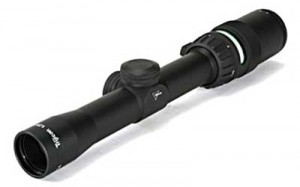 Optics have multiple purposes. They can be used for Astronomy, Scouting, birdwatching, target shooting, hunting and military purposes. With the emergency of combat optics for close quarter combat, scopes used on rifles have gotten smaller, more compact and sometimes have zero magnification. The point is to give you a good sight pictures and a reticle that is easy to follow.